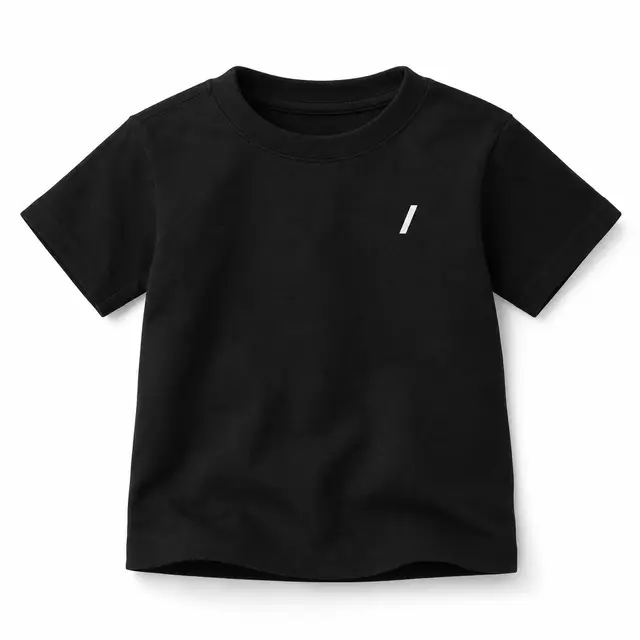
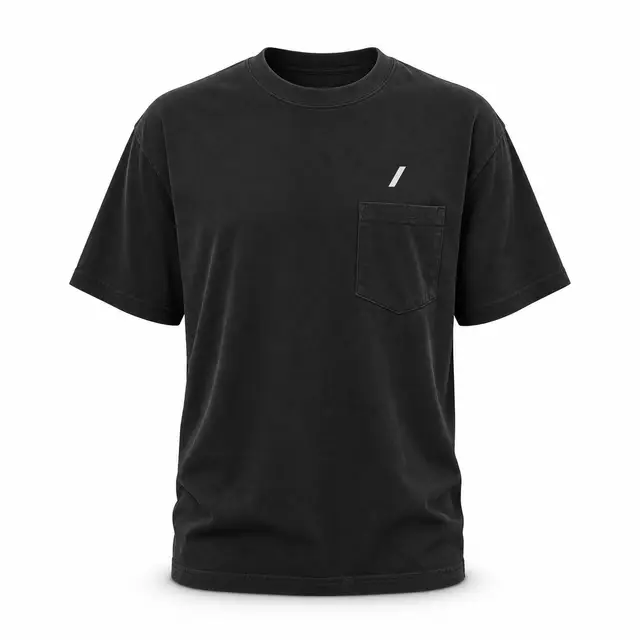
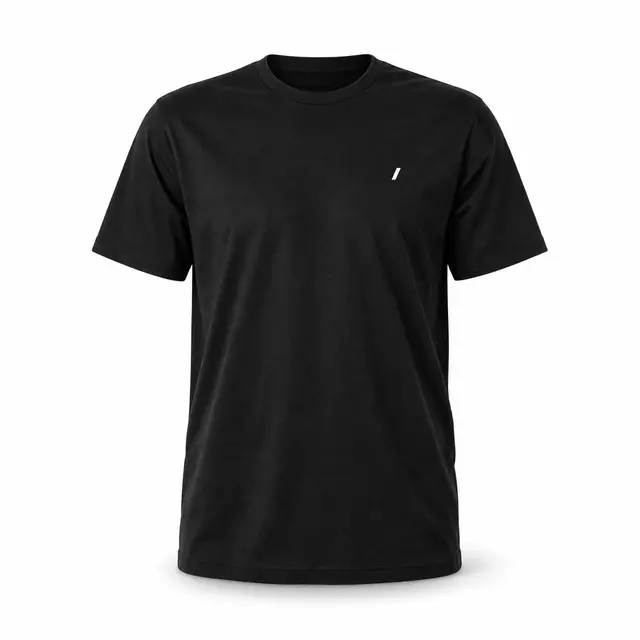
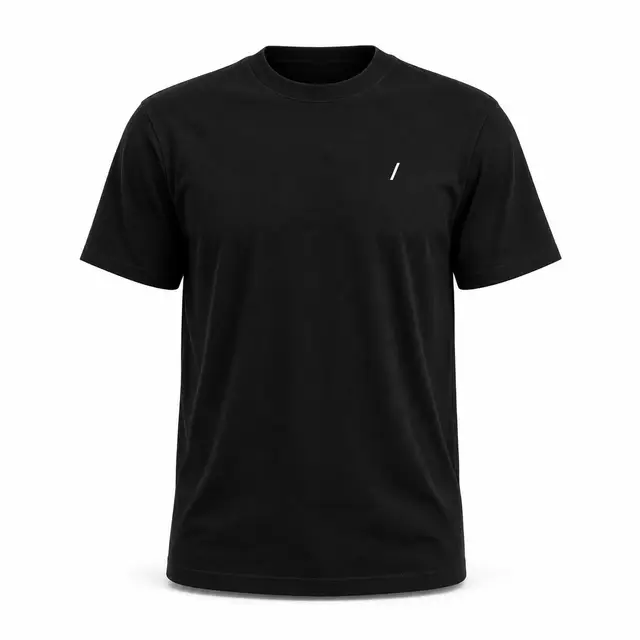
- Why does ring-spun cotton produce sharper DTG prints than open-end?
- Ring-spun yarn creates a smoother, less textured surface. DTG ink droplets land on a flatter plane, so fine lines and small text resolve with more clarity.
- What causes DTG prints to crack on t-shirts after washing?
- Insufficient ink cure (heat press time/temperature too low), over-inking on dark garments, or high polyester content preventing proper ink absorption into the cotton fiber.
- Side-seamed vs tubular t-shirts: why does it matter for POD?
- Tubular tees may twist after washing, shifting the front print off-center. Side-seamed construction holds alignment and provides a more tailored fit without rotation.
- Can tri-blend t-shirts be reliably DTG printed?
- Tri-blends contain polyester and rayon, reducing cotton below the threshold for reliable DTG absorption. DTF transfers or screen print work better on tri-blend tees.
- How does t-shirt weight affect perceived quality?
- Sub-4.5 oz tees feel lighter and drapier — fashion-forward but less substantial. 5+ oz tees feel more durable and structured. Weight directly signals quality to end customers.
- Why do white DTG prints feel stiff on dark t-shirts?
- Dark shirts require a white ink underbase beneath the color layer. Two ink layers create a thicker, stiffer print area. Light-colored shirts skip the underbase entirely.
- What's the difference between combed and carded cotton?
- Combing removes short fibers, leaving longer, smoother strands for a softer feel. Carded cotton retains shorter fibers — rougher texture but lower production cost.
- Does t-shirt fabric shrink differently by blend type?
- 100% cotton shrinks the most, especially open-end. Cotton-poly blends resist shrinkage. Tri-blends shrink the least due to polyester and rayon stability in the mix.
- How much print area do you lose on a pocket tee vs standard?
- The chest pocket blocks a 4–5 inch square area on the left chest. Designs must shift right or go below the pocket. Back printing is unaffected by front pockets.
- Why are 100% cotton tees required for DTG but not DTF?
- DTG ink needs cotton fibers to absorb and bond. DTF uses a heat-activated adhesive film — it sticks to any fabric surface regardless of fiber content.





 Suppliers: CustomCat, Fourthwall, Printful, Printify, Prodigi