Skip to content

Tableware

Compare custom tableware for print-on-demand sellers. Review sublimation-printed plates, serving trays, and coasters by substrate, finish, food-contact status, and display use.

13 products from 5 suppliers

Plates, trays, and coasters — decorative or food-safe Sublimation under ceramic glaze for durability Scratch-resistant permanent dye bond on rigid surfaces Plates, trays, and coasters — decorative or food-safe Sublimation under ceramic glaze for durability Scratch-resistant permanent dye bond on rigid surfaces Plates, trays, and coasters — decorative or food-safe Sublimation under ceramic glaze for durability Scratch-resistant permanent dye bond on rigid surfaces

Tableware products

Supplier Coverage

5

Suppliers represented

Print Methods

Sublimation

Demographics

Unisex

Feature Availability

Eco options

Related Tableware paths

Jump straight to a narrower browse path when you already know the angle you want.

About Tableware

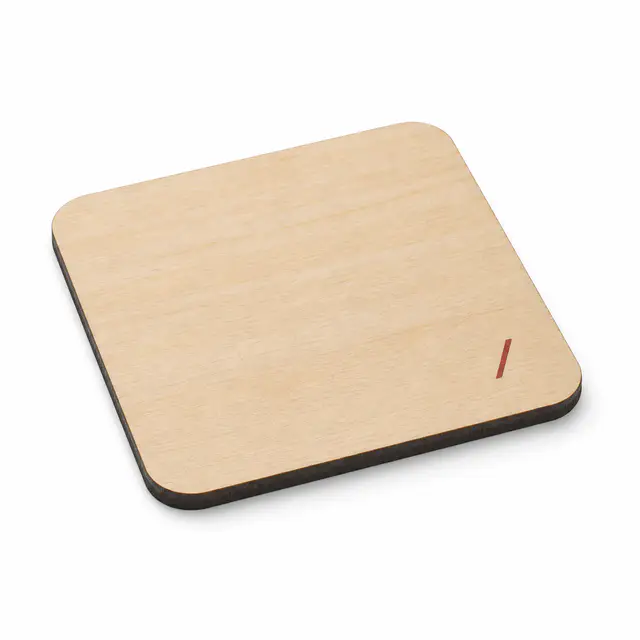
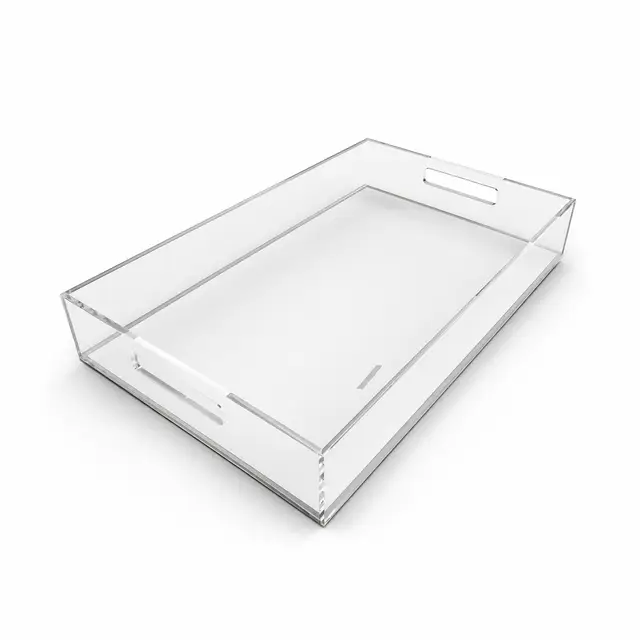
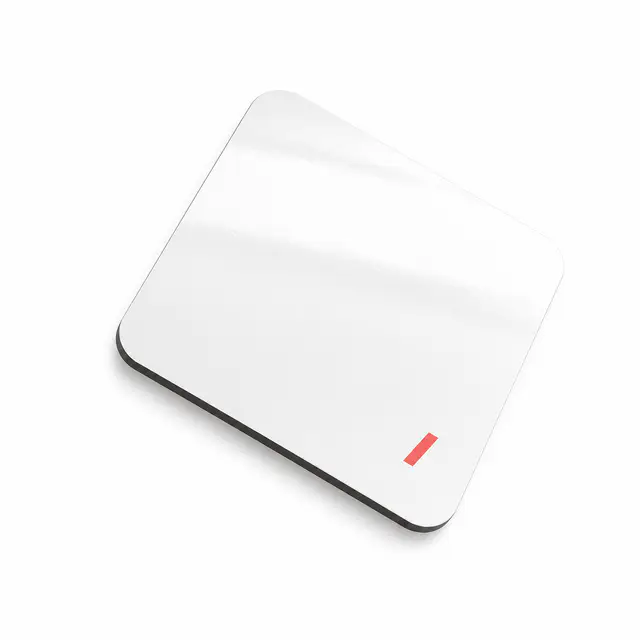
Tableware spans rigid-surface products decorated through sublimation on ceramic or polymer-coated substrates. Plates, serving trays, and coasters are the primary items, straddling a line between functional dining use and decorative display.

The food-safety question is the key consideration for sellers: sublimation on ceramic is generally food-safe because the dye bonds beneath a glaze layer, but decorative-grade items may use coatings not rated for direct food contact. Coasters and serving trays involve indirect contact and are broadly safe. The permanent sublimation bond produces scratch-resistant designs that survive daily use and dishwasher cycles on food-rated items.

Questions buyers ask

How can sellers tell if a POD plate is food-safe or decorative-only?
Check the product listing for food-contact certification. Sublimation under a food-grade ceramic glaze is generally safe. Items without explicit certification should be treated as decorative.
Why does sublimation work on ceramic tableware?
Ceramic tableware has a polymer coating that accepts sublimation dye. The dye bonds beneath a glaze or clear coat, creating a scratch-resistant permanent design sealed under the surface.
Do sublimation tableware designs survive the dishwasher?
On food-rated ceramic with proper glaze, yes — the dye is sealed beneath the surface coating. Decorative-grade items without food-safe glaze may degrade with repeated dishwasher use.
What's the difference between decorative and functional plates in POD?
Functional plates use food-grade glaze sealing the sublimation dye from food contact. Decorative plates may use non-food-safe coatings — designed for wall display, not dining.
Can sublimation tableware crack or chip at the printed area?
The sublimation dye itself won't crack — it's embedded in the coating. But if the ceramic substrate chips, the design goes with it. This is a material issue, not a print issue.
Are POD coasters food-safe for beverage use?
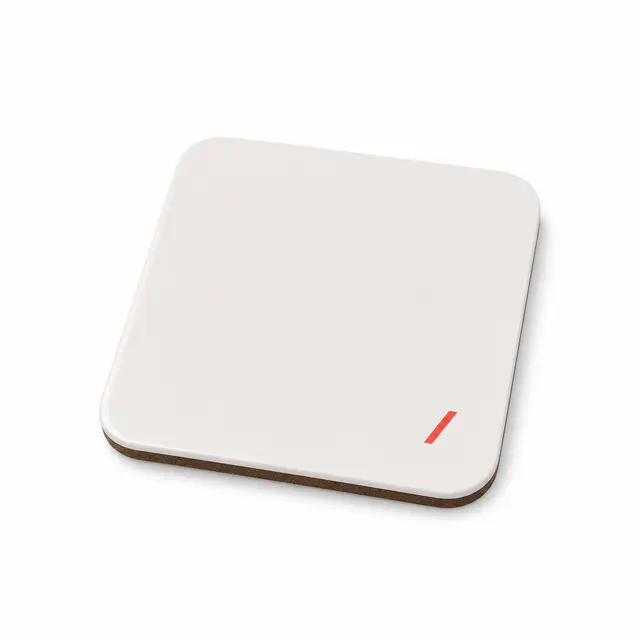
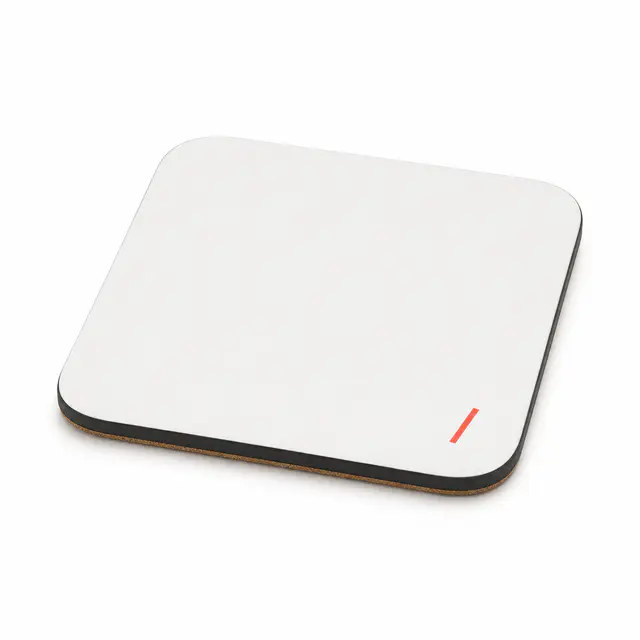
Coasters involve indirect contact — beverages touch the glass, not the printed surface directly. This makes food-safety certification less critical than for plates with direct food contact.
Why do printed ceramic colors sometimes differ from digital previews?
Ceramic's opacity and glaze sheen alter color rendering. Glossy glaze intensifies contrast while matte coatings soften tones. Expect slight shifts from on-screen RGB to ceramic output.