Skip to content

Kitchen Accessories

Compare kitchen accessories for print-on-demand sellers. Custom cutting boards, oven mitts, trivets, and pot holders with DTG and sublimation printing.

20 products from 4 suppliers

Cutting boards, oven mitts, and trivets for kitchen use DTG on fabric items, sublimation on rigid surfaces Glass cutting boards generally food-contact safe Cutting boards, oven mitts, and trivets for kitchen use DTG on fabric items, sublimation on rigid surfaces Glass cutting boards generally food-contact safe Cutting boards, oven mitts, and trivets for kitchen use DTG on fabric items, sublimation on rigid surfaces Glass cutting boards generally food-contact safe

Kitchen Accessories products

Supplier Coverage

4

Suppliers represented

Print Methods

DTG Sublimation

Demographics

Unisex

Feature Availability

Eco options

Related Kitchen Accessories paths

Jump straight to a narrower browse path when you already know the angle you want.

About Kitchen Accessories

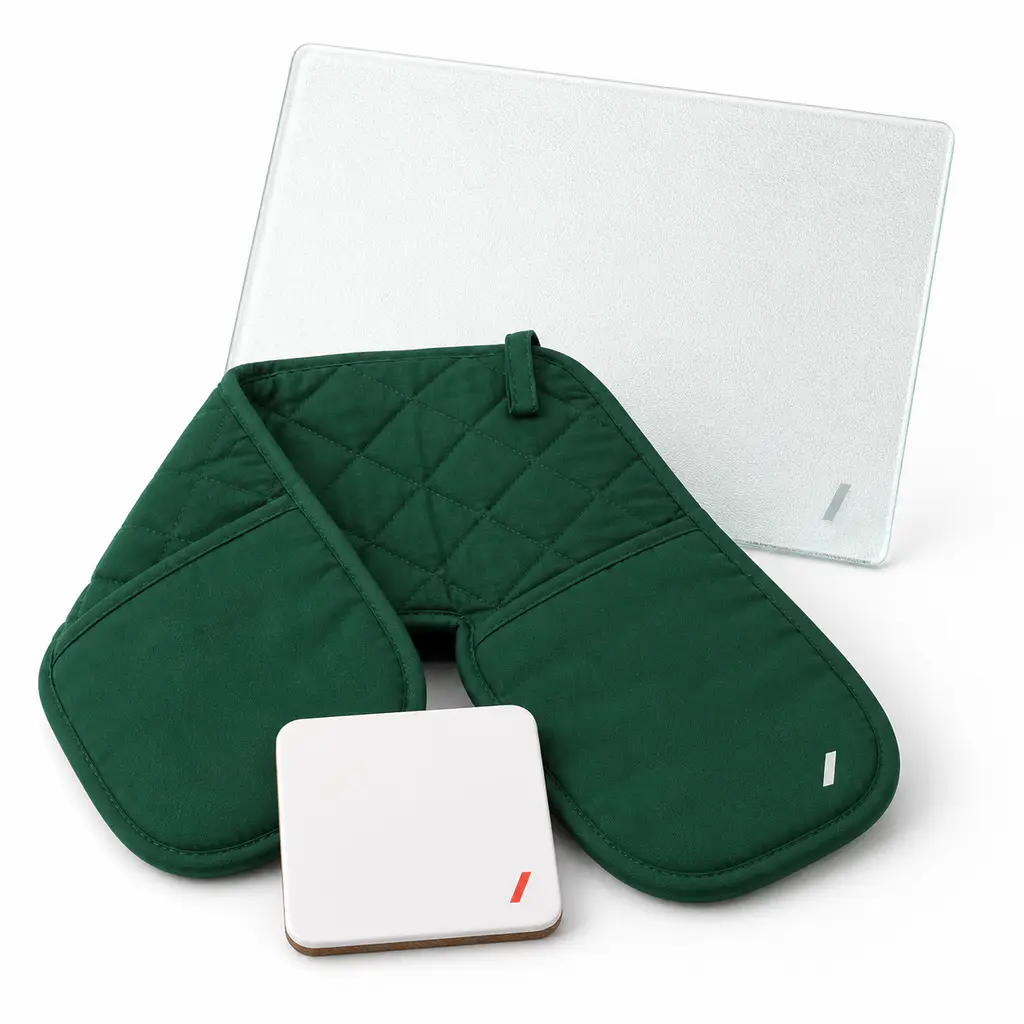
Kitchen accessories are a newer product segment in POD, with product data coverage expanding steadily. Cutting boards, oven mitts, pot holders, and trivets are the primary items — each blending functional kitchen utility with customizable printed decoration.

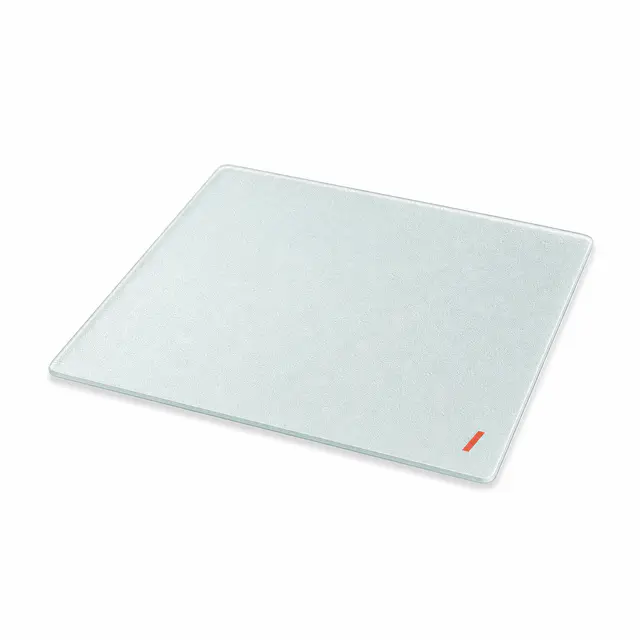
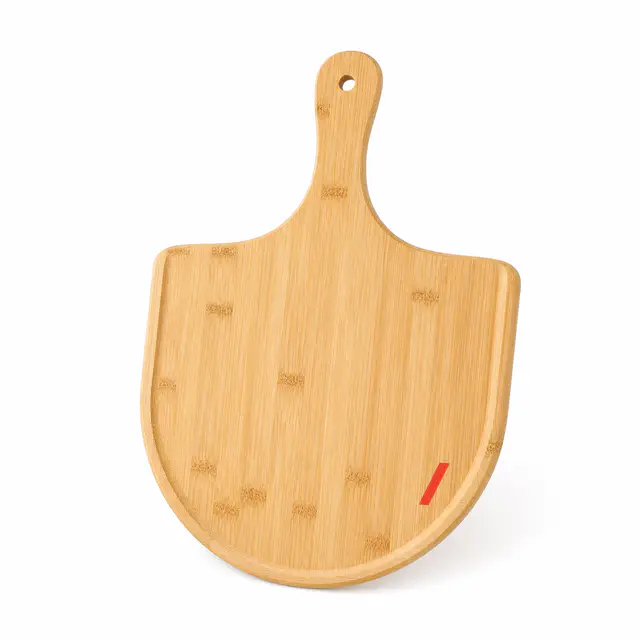
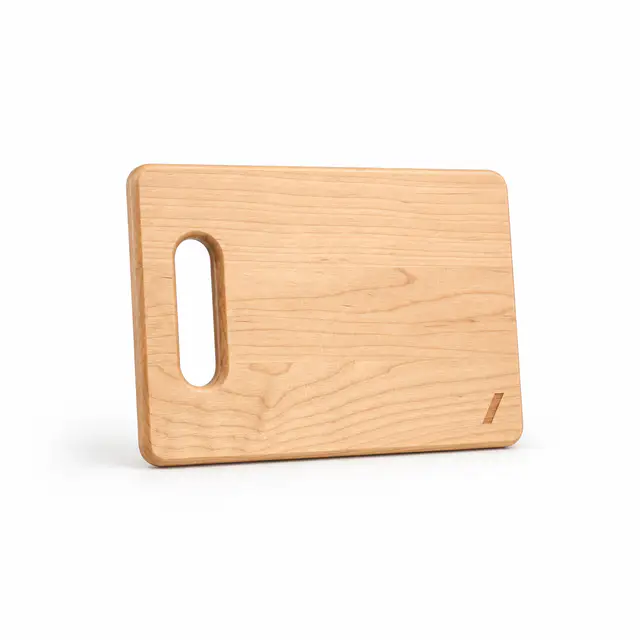
DTG handles fabric items (oven mitts, pot holders) where heat resistance comes from the base material rather than the ink. Sublimation applies to rigid items (cutting boards, trivets) where the dye bonds into a coated surface. Glass cutting boards use sublimation beneath a tempered surface rated for food contact. Wood cutting boards may be decorative-only — food-contact safety depends on the specific coating and treatment. Sellers should verify food-safety ratings per product rather than assuming all kitchen items are food-grade.
Questions buyers ask

Are printed cutting boards safe to prepare food on?
Glass cutting boards with sublimation beneath tempered glass are food-contact safe. Wood boards may be decorative depending on the coating — always verify the food-safety rating per product.
How does printing differ between oven mitts and cutting boards?
Oven mitts use DTG — ink absorbs into cotton fibers. Cutting boards use sublimation beneath glass or into coated surfaces. Different materials require fundamentally different print methods.
Does printing on oven mitts affect their heat protection?
No. Heat resistance comes from the base fabric and insulation layers, not the ink. DTG ink absorbs into the outer fabric without changing the mitt's thermal barrier properties.
Why are some printed kitchen items labeled decorative-only?
Food-contact certification requires specific coatings and treatments. Items without food-grade sealing may leach under heat or acidic contact. Decorative labeling is a safety precaution.
Can sublimation cutting board prints survive knife scratches?
On glass boards, the sublimation is sealed beneath tempered glass — the cutting surface protects the design. The glass itself scratches before the print is ever affected.
What print method is used for pot holders and trivets?
Pot holders use DTG on heat-resistant fabric. Trivets use sublimation on ceramic or coated cork surfaces. The method follows the material — fabric gets DTG, rigid surfaces get sublimation.
Do printed kitchen accessories hold up to daily use and washing?
DTG fabric items handle regular washing with gradual softening over time. Sublimation on glass and ceramic resists dishwasher cycles when properly sealed. Longevity depends on coating quality.