Skip to content

Stationery

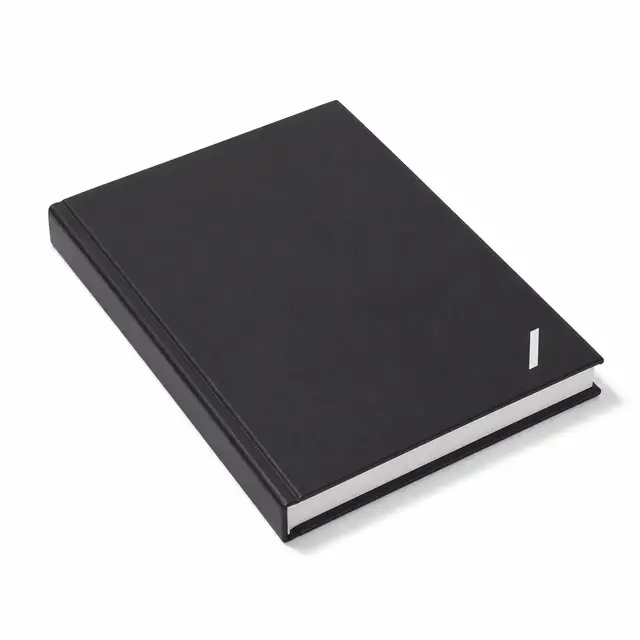
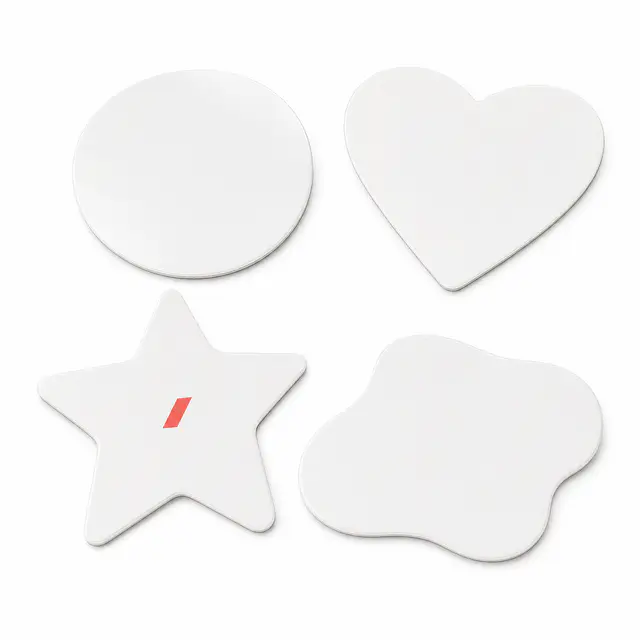
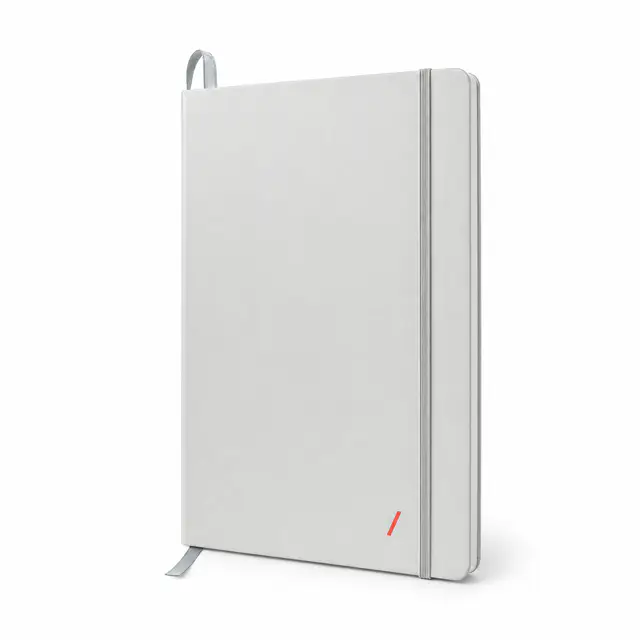
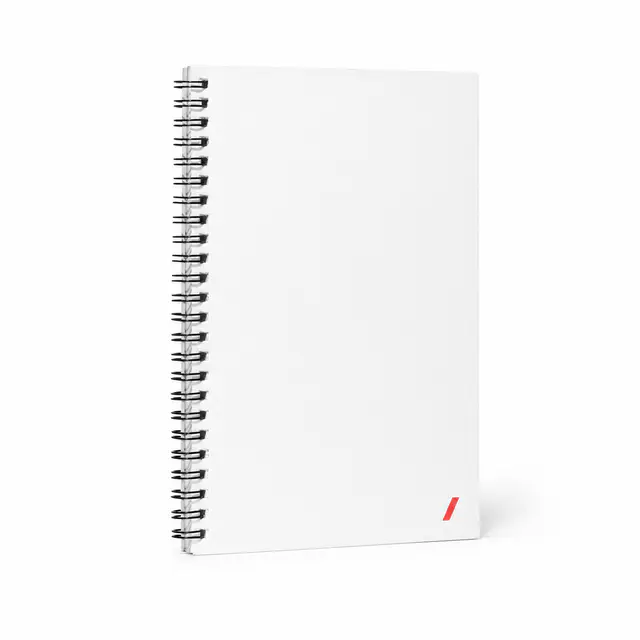
Compare POD stationery products for print-on-demand sellers. Notebooks, stickers, greeting cards, calendars, photo books, and wrapping paper — with paper, finish, and print specs.

32 products from 5 suppliers

Full-color digital printing on paper and card stock Notebooks, stickers, cards, and calendars Year-round plus holiday-seasonal demand cycles Full-color digital printing on paper and card stock Notebooks, stickers, cards, and calendars Year-round plus holiday-seasonal demand cycles Full-color digital printing on paper and card stock Notebooks, stickers, cards, and calendars Year-round plus holiday-seasonal demand cycles

All stationery products

Use the product-type filters to narrow the grid, or browse everything below and compare suppliers as you go.

Supplier Coverage

5

Suppliers represented

Print Methods

Digital

Demographics

Unisex

Feature Availability

Eco options

About Stationery

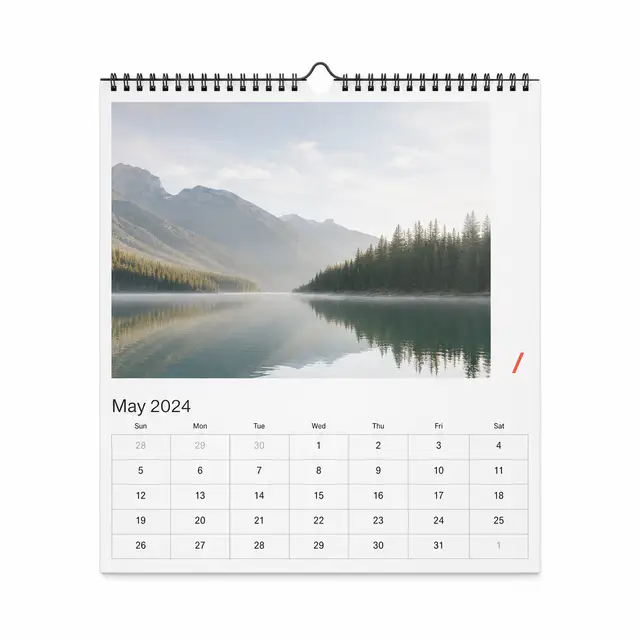
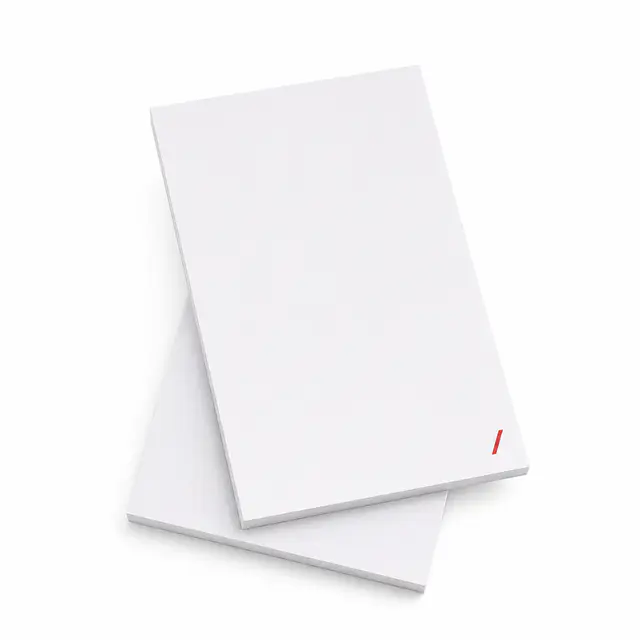
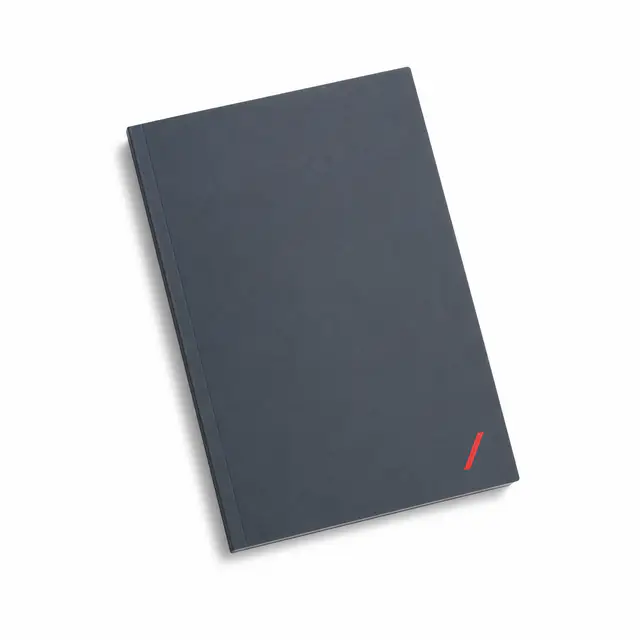
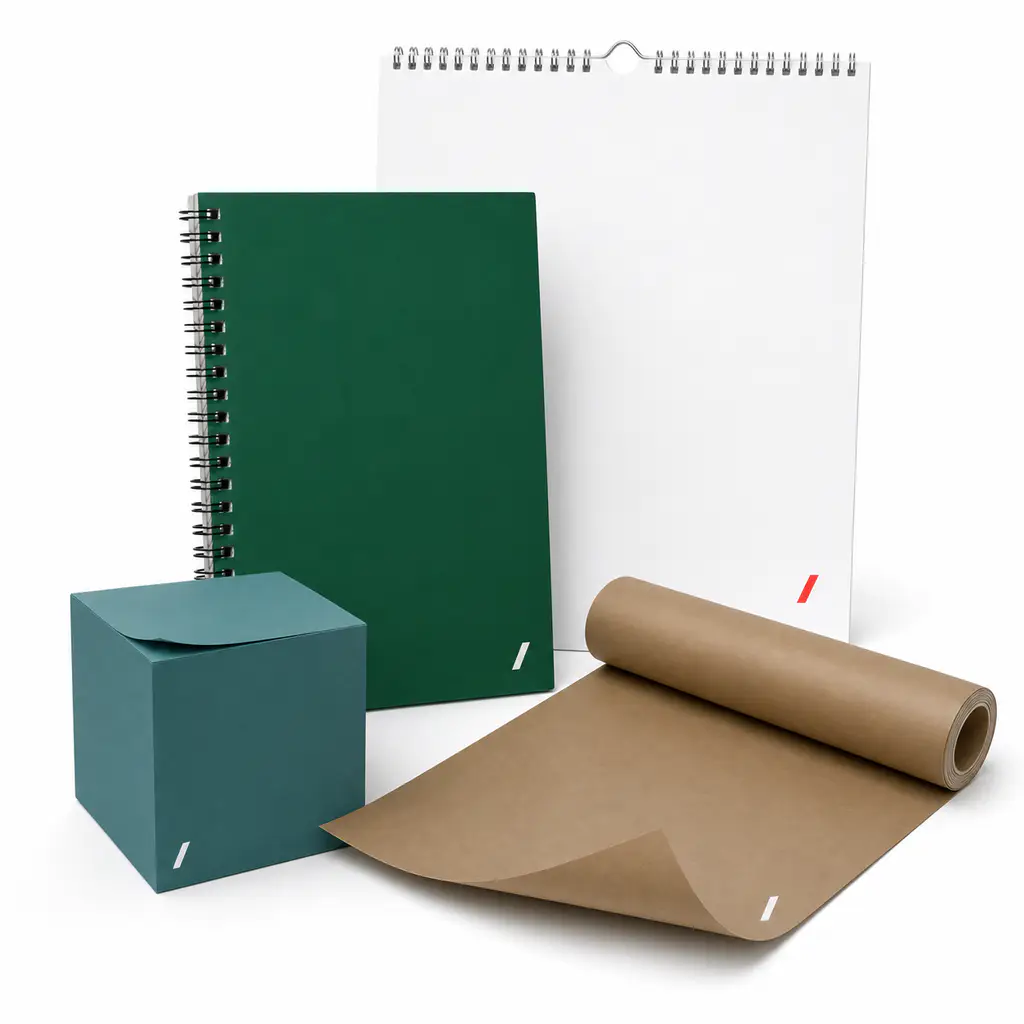
Stationery combines year-round products such as notebooks, stickers, and postcards with holiday-seasonal products such as greeting cards, calendars, and wrapping paper. Digital printing is the relevant method across this category, with the practical differences coming from paper stock, coating, finish, trim size, and binding.

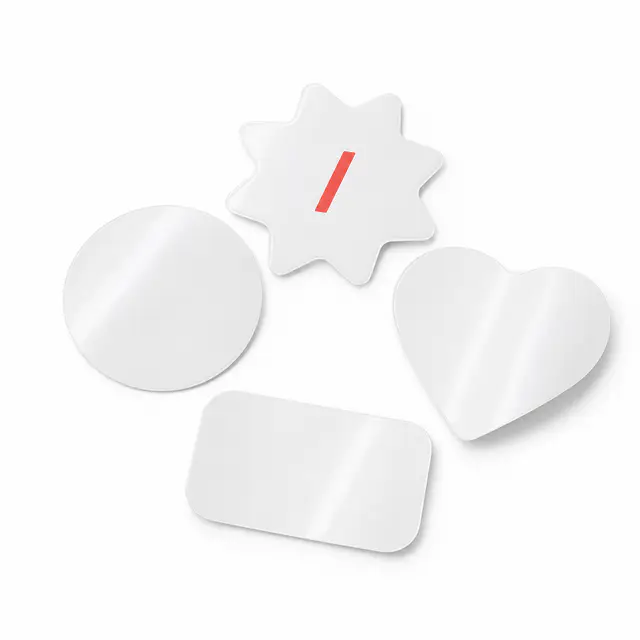
For sellers, stationery comparisons should start with GSM, coated versus uncoated paper, bleed requirements, and whether the product is a flat print, bound item, sticker sheet, or folded card. Calendars and wrapping paper are more seasonal than notebooks or stickers, so their specs matter most when planning holiday catalog updates.

Questions buyers ask

What does GSM mean for stationery paper weight?
GSM (grams per square meter) measures paper density. Higher GSM feels thicker — 80 GSM for writing stock, 300+ GSM for business cards and heavy cardstock.
How does coated vs uncoated paper affect print quality?
Coated paper seals the surface for sharper detail and vibrant color. Uncoated paper absorbs ink, softening color but adding a natural, tactile texture.
Why do printed colors look different from my screen?
Screens use RGB light while printing uses CMYK ink. Convert files to CMYK before submitting — bright neons and saturated blues shift the most during conversion.
What is bleed in print design and why does it matter?
Bleed is artwork extending 3mm past the trim line. Without it, slight cutting variations create uneven white strips at the edges of finished pieces.
Which stationery products sell year-round vs seasonally?
Notebooks, stickers, and postcards maintain steady demand. Greeting cards, calendars, and wrapping paper spike in Q4 and require September catalog readiness.
Does paper finish affect ink durability on stationery?
Glossy and coated finishes resist smudging and moisture. Uncoated and matte surfaces absorb ink deeper but can smear with handling on heavy ink coverage areas.
What DPI resolution should I use for stationery print files?
300 DPI minimum at final print size. Lower resolution causes visible pixelation, especially on text and fine line work. Vector formats avoid resolution issues entirely.